Bayswater gardeners for small courtyard garden makeovers
Posted on 11/10/2026
Small courtyard gardens can be the most rewarding spaces to improve, but they can also be the most frustrating. You look out at a compact, overlooked patch and see shade, awkward corners, tired paving, maybe a stubborn bit of ivy, and think: where on earth do I begin? That is exactly where Bayswater gardeners for small courtyard garden makeovers come in. With the right planning, a courtyard can shift from cramped and forgotten to calm, stylish, and genuinely usable.
In Bayswater, outdoor space is often precious, sheltered by neighbouring walls, overlooked by upper windows, or squeezed into an unusual shape. That makes smart design more valuable than sheer size. This guide walks through how a courtyard makeover works, what delivers the biggest visual impact, and how to avoid expensive mistakes. You will also find practical ideas for planting, materials, privacy, maintenance, and the sort of decisions that make a small garden feel bigger rather than busier. Truth be told, that is the trick.
For readers comparing services and planning the next step, it can also help to look at broader support such as gardening services in Bayswater, or more focused work like landscaping support and patio cleaning when the hard surfaces need a reset before planting begins.
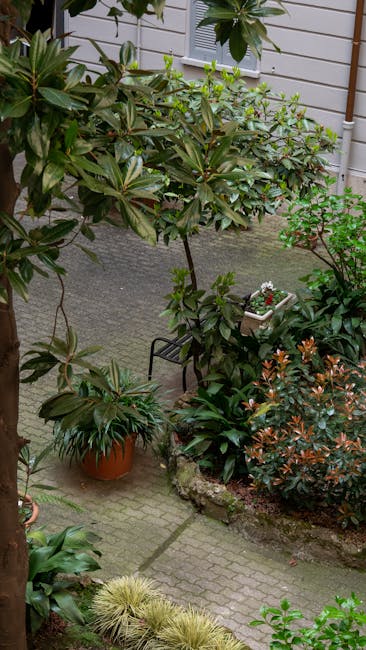
Why Bayswater gardeners for small courtyard garden makeovers Matters
Small courtyard spaces are unforgiving. Every choice is visible. A badly placed planter, an overgrown climber, or a slippery paving slab does not just look untidy; it can make the whole garden feel unusable. That is why a thoughtful makeover matters so much. It is not simply about making things prettier. It is about making the space work.
In Bayswater, courtyards often need to deal with shade, limited access, privacy concerns, and hard surfaces that have aged unevenly. A good design approach responds to the realities of the space rather than forcing in features that belong in a larger garden. That usually means lighter visual lines, planting that thrives in local conditions, and hard landscaping that is easy to maintain.
There is also the emotional side. A courtyard can become a morning coffee spot, a wind-sheltered reading nook, or a place to grow herbs just outside the kitchen door. When a garden is small, it tends to be used more intensely. So a makeover is not cosmetic fluff. It can genuinely improve the way you live at home.
For gardens that have been neglected for a while, the starting point is often clearance and a reality check. If you are working with a tired or overrun space, the article on reviving a forgotten garden is a helpful companion read. It is also worth understanding plant control issues early, especially if self-seeded climbers or invasive growth have taken over. The guide on ending ivy's reign gives useful context.
How Bayswater gardeners for small courtyard garden makeovers Works
A courtyard makeover usually follows a simple but disciplined process. The best results come from measuring the space properly, identifying the problems, and then building a design that answers those problems one by one. Not glamorous, perhaps, but effective.
1. Assess the space honestly
The first job is to look at what is really there: light levels, drainage, access, boundaries, visibility, and existing materials. A courtyard in full shade needs a different planting palette from a west-facing one that gets hot afternoon sun. If you skip this part, you often end up replacing plants later. Nobody wants that.
2. Decide what the courtyard must do
Some people want a quiet seating area. Others want somewhere to grow herbs, hide bins, soften harsh brickwork, or add privacy from neighbouring windows. A good gardener will help you prioritise. In a small space, trying to do everything is usually the fastest route to clutter.
3. Build a layout around movement and sightlines
Courtyards work best when circulation feels easy. That usually means fewer obstacles, clear walking lines, and a focal point that draws the eye deeper into the space. A bench, feature pot, specimen plant, or slim water feature can do this well. Heavy, overlarge furniture tends to shrink the space visually.
4. Choose materials that suit the setting
In a compact garden, hard landscaping matters a lot. Paving, edging, decking, and wall treatments should all work together. If the existing surface is sound but dull, a deep clean may be enough. For that kind of refresh, patio cleaning is often a smart first move before more expensive changes.
5. Layer planting for softness and structure
Good courtyard planting is rarely random. It uses a mix of evergreen structure, seasonal colour, textural foliage, and perhaps climbers on walls or trellis. This creates depth without consuming floor space. If the courtyard is particularly narrow, vertical planting can do more visual work than beds ever could. The article on vertical gardening explores that idea well.
6. Finish with maintenance planning
A small courtyard should be easy to keep tidy. If a design demands constant trimming, deadheading, and sweeping just to stay respectable, it may not be the right fit. This is where seasoned local gardeners add real value: they know how to create a scheme that still looks good after a rainy week and a busy month.
Key Benefits and Practical Advantages
A courtyard makeover can deliver more value than people expect, especially in urban settings. The benefits are practical, visual, and emotional all at once.
- Better use of limited space: A carefully designed plan prevents wasted corners and awkward dead zones.
- More privacy: Screening, climbing plants, or carefully placed features reduce the sense of being overlooked.
- Easier maintenance: Smart plant choices and durable surfaces cut down on constant tidying.
- Improved light and flow: Pale materials, clean lines, and reflective surfaces can make a small garden feel brighter.
- Year-round interest: Evergreen structure and layered planting stop the space from feeling bare in winter.
- Better property appeal: A tidy courtyard tends to read well from inside the home and can improve the overall impression of the property.
There is a quieter benefit too: the space starts to feel like a room rather than an afterthought. That shift matters. You stop stepping past the garden and start using it.
If privacy is one of the main reasons for the makeover, a compact courtyard may benefit from screening plants or trimmed hedging rather than tall, bulky structures. The guide on fast privacy hedges is useful for understanding what works in tight spaces, while hedge trimming in Bayswater can help keep that screening neat once it is established.
Who This Is For and When It Makes Sense
Small courtyard garden makeovers are a good fit for a few different types of homeowners and tenants.
- People with a compact rear courtyard that feels hard to use
- Flat owners or maisonette residents with limited outdoor space
- Households that want low-maintenance greenery rather than a high-input garden
- Anyone dealing with shade, poor layout, or outdated paving
- Busy families who want a neat outdoor area without constant upkeep
- Pet owners who need durable surfaces and safe planting
It also makes sense if your existing garden is not quite broken, just underperforming. Maybe the layout is fine but the planting is sparse. Maybe the space is lovely in summer but bleak in winter. Or maybe it simply feels like a storage yard with a few pots. That happens more often than people admit.
For some clients, the best starting point is not a full redesign but maintenance and selective improvement. A regular garden maintenance plan can keep the courtyard looking intentional after the makeover is complete. If the space includes a small lawn or a patch of turf, lawn care or lawn mowing may also form part of the routine, though many courtyards are better suited to no-lawn designs.
To be fair, not every courtyard needs a dramatic redesign. Sometimes the right move is to simplify, tidy, and soften what is already there. A bit of judgement goes a long way.
Step-by-Step Guidance
If you are planning a courtyard makeover, this is a practical sequence that keeps the project under control.
- Measure and photograph everything. Capture the space from every angle, especially tight corners and boundary walls. Measurements help prevent scale mistakes.
- Clear the garden thoroughly. Remove debris, dead plants, broken pots, and anything that is simply taking up visual and physical space.
- Check surfaces and drainage. Look for pooling water, cracked paving, or areas where moss has made the space slick underfoot.
- Decide on a focal use. Seating, planting, dining, or a calm decorative scheme should lead the layout.
- Choose a restrained palette. Fewer materials often look better in a courtyard. Two or three main finishes usually beat five or six competing ones.
- Pick plants for conditions first, style second. Lovely plants that sulk in shade are poor investment.
- Use height intelligently. Trellis, wall planters, slim climbers, and tiered containers add depth without crowding the floor.
- Install key elements in the right order. Hard landscaping first, then large containers or structures, then planting, then final styling.
- Test the space in real life. Sit in it. Walk through it. Notice where the eye lands. A good courtyard works at 8am and again at dusk.
- Plan maintenance from day one. The easiest garden to love is the one you can keep up with.
If the makeover includes timber decking or a sitting platform, consider how it will age and how often it will need cleaning. A well-built deck can be beautiful in a courtyard, but poor detailing becomes obvious quickly. For more on that, see decking services in Bayswater.
Expert Tips for Better Results
Here is where small courtyard design gets more interesting. The little decisions make the biggest difference.
Use repetition, not clutter
Repeat one or two pot styles, one paving tone, or a small cluster of plants. Repetition creates calm. Too many different forms can make a tiny space feel restless.
Think vertically early
Walls are valuable in a courtyard. Trellis, climbers, and shelving-style planting can turn blank boundary walls into part of the design. If you have a shaded courtyard, evergreen climbers are especially useful because they keep some presence through winter. There is a strong case for reading this guide to evergreen climbers for shade before choosing plants.
Make the floor feel larger
Large-format paving, continuous materials, and fewer visual breaks can help a courtyard feel more spacious. In some cases, a lighter surface finish makes all the difference. Not magic. Just sensible design.
Don't ignore the scent layer
A small garden is close to the senses. Herbs, scented foliage, and a few fragrant flowers can make the space feel far richer than it looks on paper. The right mix of herb-growing ideas and compact planting can make the courtyard feel alive, even in a quiet week.
Use containers with intent
Containers are not just placeholders. They are the architecture of many small gardens. Group them in odd numbers, vary their height, and avoid scattering single pots around the edges like afterthoughts.
Leave breathing room
Every courtyard needs negative space. That blank bit of paving or open floor area helps the plants and furniture feel chosen rather than crammed in. This is one of those design truths people hear and ignore, then instantly notice once it is done properly.
A small aside: if you can't sweep the whole courtyard in under a minute, it is probably too full. A bit cheeky, maybe, but often true.
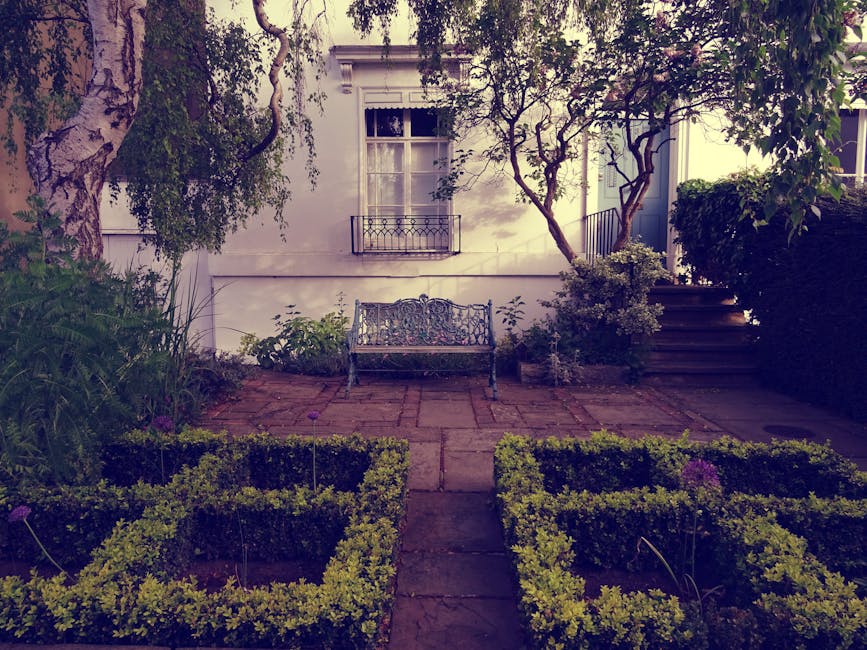
Common Mistakes to Avoid
Courtyard makeovers go wrong in a few predictable ways. Avoid these and you are already ahead of the game.
- Overfilling the space: Too many pots, ornaments, and furniture pieces make the garden feel smaller.
- Choosing plants for looks alone: Plants must suit shade, wind, dryness, and container life.
- Ignoring access: If you cannot open doors fully or move comfortably, the design has failed.
- Using dark materials everywhere: Dark surfaces can feel heavy in enclosed spaces.
- Forgetting drainage: Courtyards can hold water, especially where paving is uneven or soil is shallow.
- Skipping maintenance planning: A beautiful but high-maintenance scheme often becomes neglected.
- Mixing too many styles: Zen, cottage, tropical, industrial, and Mediterranean all at once can look confused. Pick a direction.
One issue that gets overlooked is weed pressure at the edges and joints. Even a polished courtyard can look tired if weeds keep surfacing between slabs or around containers. The practical advice in these weed control tips is worth keeping in mind.
And yes, ivy can be charming right up until it starts doing what ivy does best. If it has already become a problem, it is better to deal with it decisively than keep trimming around the edges forever.
Tools, Resources and Recommendations
For a courtyard makeover, the right tools and materials make the work cleaner, faster, and less stressful. You do not need a shed full of kit, but a few essentials matter.
Useful tools
- Spade and hand trowel for planting and edging
- Pruning shears for shaping shrubs and climbers
- Wheelbarrow or rubble bags for clearance
- Pressure washer or stiff brush for hard surface cleaning
- Spirit level for checking paving, edging, and furniture placement
- Gloves and knee pads for comfort during detailed work
- Watering can or hose with controlled spray for newly planted containers
Useful service areas to consider
- Patio cleaning if the courtyard needs a surface refresh before replanting
- Fencing for boundary improvements or privacy upgrades
- Tree surgery if overhanging branches are stealing too much light
- Lawn care if a small turf section needs specialised attention
- About us if you want to understand the team behind the work
For a low-maintenance courtyard, the guide on budget-friendly low-maintenance garden design is a useful complement. If you are more interested in a neat, calming atmosphere, zen garden ideas can be adapted quite beautifully to a compact urban space.
Law, Compliance, Standards, or Best Practice
For most courtyard makeovers, the main compliance concerns are practical rather than complex. You are usually dealing with safe access, sensible drainage, neighbour awareness, and good workmanship. In a shared or terraced setting, it is wise to be careful with noise, work timing, waste handling, and anything that might affect adjoining property.
If a project involves boundary changes, significant excavation, structures close to shared walls, or mature trees, extra care is sensible. When in doubt, check ownership and boundaries before building anything fixed. That is not just a formality; it helps avoid disputes later. The same is true for drainage changes, because even small gardens can create water run-off issues if paving is altered without planning.
On the safety side, professional gardeners and landscapers in the UK are generally expected to work in a way that protects people, property, and access routes. Good practice includes using suitable PPE, keeping tools maintained, securing waste, and reducing trip hazards during the job. If you are comparing providers, it is reasonable to ask about insurance and safety arrangements, and to review pages such as insurance and safety and the health and safety policy before work begins.
It can also help to understand how a company handles administration, pricing, privacy, and complaints. That may sound dry, but it builds confidence. Useful references include pricing and quotes, privacy policy, terms and conditions, complaints procedure, payment and security, and accessibility statement.
Options, Methods, or Comparison Table
Not every courtyard makeover needs the same approach. The right choice depends on how much work you want, how much maintenance you can handle, and what the space is missing.
| Approach | Best for | Pros | Trade-offs |
|---|---|---|---|
| Light refresh | Tidy but underused courtyards | Fast, cost-conscious, minimal disruption | Won't fix deeper layout or drainage issues |
| Plant-led makeover | Spaces that feel bare or hard | Softens walls, adds seasonal interest, improves atmosphere | Needs good plant selection and watering discipline |
| Hardscape-led redesign | Courtyards with poor surfaces or awkward flow | Clear structure, better usability, long-term improvement | Higher upfront effort and usually more planning |
| Privacy-focused scheme | Overlooked or exposed areas | More comfort, better sense of enclosure | Needs balance so the space does not become closed in |
| Low-maintenance redesign | Busy households and rental properties | Easier upkeep, cleaner finish, less ongoing work | Can feel too sparse if not designed carefully |
As a rule of thumb, the smaller the courtyard, the more important it becomes to choose one main design goal. Trying to make a tiny space both a full dining terrace, a wildlife haven, a play zone, and a screen garden can get messy. A clear brief usually wins.
Case Study or Real-World Example
Here is a realistic example from the kind of courtyard work that comes up often in Bayswater. A small rear courtyard had cracked paving, very little planting, and a blank brick wall that made the space feel enclosed rather than cosy. It was used mainly for storage, which is honestly the fate of many compact gardens before they get some attention.
The redesign started by clearing clutter and cleaning the paving. The surface was kept, because it was structurally sound, but the layout was simplified. A narrow bench replaced bulky furniture, and three larger containers were grouped near the back wall rather than spread around the perimeter. Climbing plants were introduced on a slim support system to soften the brickwork, while evergreen structure ensured the garden still had shape in winter.
Instead of trying to force in a patch of lawn, the space was planted with a mix of texture, foliage, and a few herb containers near the door. That made the courtyard feel practical and inviting without becoming busy. By evening, the area felt calmer, with less hard glare and more depth. Nothing dramatic. Just a proper small garden, finally doing its job.
This kind of result is why local experience matters. A courtyard makeover is not about inventing a fantasy garden. It is about reading the space accurately and making a series of good decisions. One after another. That is the craft.
Practical Checklist
- Measure the courtyard and note light, shade, and access points
- Clear old pots, weeds, broken items, and unused clutter
- Inspect paving, drainage, walls, and boundary conditions
- Decide the main purpose: seating, planting, privacy, or mixed use
- Choose a simple material palette
- Select plants that suit the actual conditions, not just the wish list
- Use vertical space where floor space is limited
- Keep furniture slim and purposeful
- Plan how the space will look in winter as well as summer
- Set up a maintenance routine before the work is finished
- Ask about safety, insurance, and written terms if hiring a professional
- Check whether extra help is needed for hedges, trees, or hard surfaces
It helps to think of the checklist as a filter. If an idea fails three or four of these points, it probably does not belong in a small courtyard.
Conclusion
Small courtyard gardens have a funny habit of becoming the most-loved part of a home once they are done properly. They do not need to be large to feel generous. They need clarity, proportion, and a design that respects the space rather than fighting it. That is why Bayswater gardeners for small courtyard garden makeovers can be such a worthwhile investment: they bring structure to awkward spaces and turn underused corners into places you actually want to spend time in.
The best makeovers are usually the ones that look simple at the end, even if there was plenty of thinking behind them. Clean lines. Good planting. A seating spot that feels right. A bit of privacy. Nothing overdone. And just enough softness to make the courtyard feel alive on a grey London afternoon.
If you are ready to improve a compact garden, start with the basics: clear the clutter, define the purpose, and choose materials and planting that suit your daily life. The rest can follow. Small spaces are often the most satisfying to transform, because every change counts.
Get a free quote today and see how much you can save.

With expertise in gardening, Scott stands out for his ability to aid countless customers in meeting their horticultural goals. His skillset extends to the realm of writing, where he covers a diverse range of topics related to gardening and landscape architecture.