Westminster Council garden waste rules for Bayswater gardeners
Posted on 19/10/2026
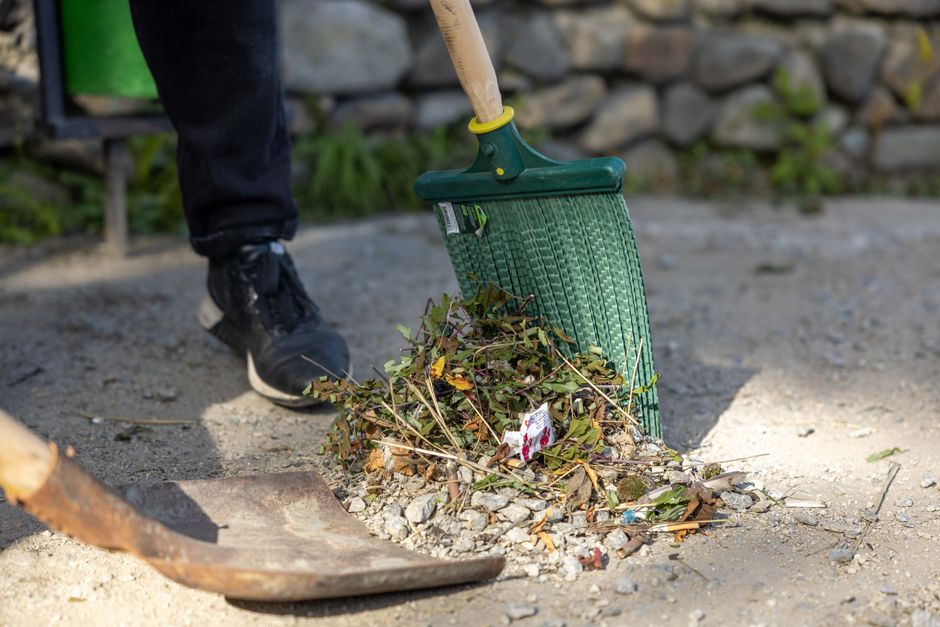
Westminster Council garden waste rules for Bayswater gardeners: what local gardeners need to know
If you garden in Bayswater, garden waste can feel oddly complicated for something as simple as a sack of cuttings. One week it is a few bags of hedge clippings after a tidy-up; the next it is a mountain of prunings, turf, leaves, and ivy stems after a bigger job. That is exactly why understanding Westminster Council garden waste rules for Bayswater gardeners matters. Get it right and your garden stays neat, your waste is handled properly, and you avoid the annoying little problems that crop up when bags are left out or mixed with the wrong materials. This guide walks you through the practical side of disposal, what usually causes confusion, and how to manage garden waste sensibly in a busy London setting.
To be fair, most gardeners do not want a lecture. They want a clear answer: what can go where, what should be kept separate, and how do you stay compliant without turning a simple tidy-up into a chore? Let us get into that.
Why Westminster Council garden waste rules for Bayswater gardeners Matters
In a place like Bayswater, space is tight and bin storage is often even tighter. That changes the whole rhythm of gardening. A small back garden, a courtyard, a shared terrace, or a narrow front patch can generate more waste than you expect, especially after seasonal pruning or a one-off clear-out. If that waste is handled badly, you can end up with overfilled containers, missed collections, odours, mess, or complaints from neighbours who have to walk past your piles every day.
The rules matter for another reason too: garden waste is not just "green stuff". In practice, it can include stems, grass, hedge trimmings, leaves, weeds, soil attached to roots, and even invasive growth that needs careful handling. A tidy-looking bundle one minute can turn into a rejected load the next if it is mixed with general rubbish, plastic ties, or rubble. That is where a bit of planning saves real effort.
There is also the wider London reality. Streets in Westminster are busy, pavements are shared, and collection systems are designed to keep things moving. If you have ever seen a bin bag split on a wet morning or a loose heap of cuttings blow across the road, you already know why councils are picky about presentation. A small rule can prevent a larger nuisance. Simple as that.
How Westminster Council garden waste rules for Bayswater gardeners Works
The exact service arrangements can change, so the safest approach is to treat Westminster Council guidance as the source of truth and check the current rules before you set anything out. That said, the practical system usually follows a familiar pattern for inner-London households:
- garden waste must be separated from general household waste
- it should be presented in the container, sack, or collection method the council allows
- contamination is a common reason for rejection
- oversized branches, soil, rubble, timber, and mixed materials may need different treatment
- commercial garden work can be subject to different expectations than household green waste
For Bayswater gardeners, the key is not just what you throw away, but how you prepare it. A bag of hedge trimmings is usually straightforward. A bag that also contains broken plant pots, compost bags, packaging tape, and a few bricks from a border edge? That is the kind of thing that causes delays and headaches.
If you are doing a larger seasonal tidy, it helps to think in categories. Soft green waste such as leaves, grass, and prunings is one stream. Harder material like thick branches is another. Non-organic garden debris, including plastic, treated timber, wire, and stones, should be kept separate. That way, whether you are using council collections, a private clearance service, or an on-site composting method, you are not starting from a muddle.
For many local gardens, the challenge is less about volume and more about access. Narrow side passages, basement steps, and shared entrances make movement awkward. That is where a methodical setup matters, especially if you are working alongside broader maintenance tasks like regular garden maintenance in Bayswater or even routine lawn care and mowing. Small jobs create small waste; big work creates big waste. Either way, the same discipline helps.
Key Benefits and Practical Advantages
Following garden waste rules is not just about avoiding a warning or a rejected collection. There are some very real practical benefits, and they show up quickly if you garden regularly.
Cleaner, calmer outdoor space
Garden waste left waiting around changes how a space feels. It attracts damp, makes paths slippery, and turns a tidy corner into an eyesore. In compact Bayswater gardens, the difference between "almost done" and "actually finished" is often one cleared waste pile. You notice it the moment you step outside.
Less risk of neighbour friction
Let's face it, nobody enjoys being the house with loose clippings blowing into next door's frontage. Good waste handling keeps shared spaces respectful. That matters especially in terraces and flats where people are living much closer together than in a suburban garden.
Better composting and reuse opportunities
When waste is sorted properly, some of it may be reusable on-site. Leaf litter can become mulch. Soft prunings can support composting. Soil can be reused in planters if it is clean and suitable. The organic alchemy of turning waste into nutrient-rich soil is not just a nice phrase; in practice, it is one of the smartest ways to reduce waste and improve your beds at the same time.
Less last-minute panic
Anyone who has tried to clear a garden the night before a collection knows the feeling: damp leaves everywhere, one broken bag, and a strange sense that the hedge has doubled in size overnight. A reliable system removes that stress. You stop improvising and start managing.
Better results from other garden work
Waste management is tied to the quality of the work itself. A pruning job is cleaner when the cuttings are gathered properly. Weed control is more effective when invasive roots are bagged and removed carefully. If you are reviving an overgrown space, start with a solid plan, like the one outlined in this guide to bringing a forgotten garden back to life.
Who This Is For and When It Makes Sense
This topic is useful for more people than you might think. It is not only for keen gardeners with immaculate borders and a compost heap in the corner.
- Homeowners with small to medium gardens who do their own tidying
- Landlords and managing agents dealing with shared outdoor areas
- Tenants who are responsible for keeping a patio or courtyard tidy
- Older residents who prefer clear, low-lift routines
- Busy families who do the garden in bursts, usually at weekends
- People planning landscaping work that will produce a lot of clippings or debris
It also makes sense whenever the season changes. Spring pruning, summer hedge shaping, autumn leaf fall, and winter storm clean-ups all generate different kinds of waste. The rules do not change because the weather is inconvenient, unfortunately. The mess still has to go somewhere.
If your garden design includes dense planting, fast-growing hedges, climbers, or layered borders, waste builds quickly. A garden with a lot of structure tends to produce a lot of maintenance residue. You can see the same pattern in projects focused on privacy, such as vigorous hedges for privacy or evergreen climbers for shady spaces. Beautiful planting often means more pruning. That is just the trade-off.
Step-by-Step Guidance
Here is the simplest way to handle garden waste in Bayswater without making things harder than they need to be.
- Sort waste at the point of cutting. Keep grass, leaves, soft cuttings, woody prunings, and non-organic debris separate from the start.
- Remove contamination immediately. Pull out plastic ties, labels, old canes, broken pots, stones, and anything else that is not plant material.
- Reduce volume where you can. Cut long stems down, shake out soil, and bundle branches neatly if the council or your chosen collection method allows it.
- Check container rules before collection day. If a specific bin, sack, or booking process is required, do not assume last year's method still applies.
- Store waste safely until collection. Keep bags dry enough to handle, out of the way of foot traffic, and away from anything that might attract pests or spread mess.
- Book extra help for larger clearances. If you are doing a full border reset, hedge reduction, or tree work, a one-off clearance may be more practical than trying to force everything into standard collections.
- Reuse and compost when appropriate. Cleaner green waste can be turned into mulch or compost, which reduces volume and feeds the garden back.
A small detail that often gets missed: damp waste is heavier. Much heavier. After a wet day, a bag of leaves or a trug of cuttings can feel twice the weight it looked at first. So if you are sorting waste by hand, do the heavy lifting early while you are fresh.
If the task sits alongside more involved outside work, it can help to coordinate it with services such as tree surgery in Bayswater or professional hedge trimming. Bigger cuts mean more waste, but they also mean the garden gets a clean, defined shape instead of a halfway finish.
Expert Tips for Better Results
The difference between a tidy system and a messy one is usually not effort. It is method. Here are the habits that make the biggest difference in real gardens.
- Use one "green waste" staging area. Even if it is just a tarp or a corner of the patio, having one place for cuttings keeps the rest of the garden usable.
- Keep a separate bucket for contaminants. This is a small trick, but it saves repeated sorting later.
- Trim in stages on larger jobs. A big shrub clear-out is easier when you prune, collect, and bag in sections instead of leaving everything until the end.
- Choose dry periods where possible. You will handle waste more easily, and bags are less likely to tear.
- Think about the next use before you cut. Some material can become mulch for beds, especially if you garden in a low-maintenance style or are working on a low-maintenance garden design.
- Plan winter tidy-ups carefully. Cold, wet conditions make everything more awkward. A bit of patience helps, and the winter garden protection guide is useful if you are balancing pruning with frost care.
One more thing. If you are working in a small outdoor area, do not underestimate how much space waste itself needs while you are sorting it. The pile always looks modest at first, then suddenly it is in your way. Happens all the time.

Common Mistakes to Avoid
Most problems come from a handful of repeat errors. The good news is that they are easy to avoid once you know what to look for.
- Mixing garden waste with general rubbish. This is the quickest way to create a rejected load.
- Leaving soil and stones in green bags. Heavy contamination can make disposal harder and may not be accepted the same way as plant waste.
- Overfilling containers. Even when the material is correct, badly packed bags can split or fail collection requirements.
- Putting out waste too early. In busy streets, that can lead to clutter, scattered debris, and unwanted attention from birds or passers-by.
- Assuming all branches are treated the same. Thick woody material often needs different handling from soft clippings.
- Ignoring shared access rules. In blocks or managed properties, one person's tidy-up can become everyone else's headache if storage or collection points are not respected.
There is also a design-related mistake people do not always connect with waste: planting without thinking about maintenance output. Fast growers, invasive climbers, and heavy seasonal sheds all generate more work. If your garden includes persistent ivy, for example, a better plan may be needed before waste even becomes the issue. The article on ending ivy's reign is a useful reminder that some problems are easier to stop early than to clear later.
Tools, Resources and Recommendations
You do not need a shed full of specialist gear. A few practical tools make garden waste management much smoother, especially in tight urban gardens.
| Tool or resource | Why it helps | Best for |
|---|---|---|
| Heavy-duty garden sacks | Contain clippings neatly and reduce leaks | Leaves, soft pruning, small tidy-ups |
| Tarpaulin or ground sheet | Makes collection faster and reduces mess | Border clearances, hedge work, bulk sorting |
| Bypass secateurs and loppers | Let you cut waste down before bagging | Pruning and branch reduction |
| Wheelbarrow or garden tub | Helps move waste through narrow spaces | Courtyards, terraces, awkward access routes |
| Compost bin | Turns clean green waste into useful material | Regular gardeners with repeat clippings |
| Professional clearance support | Useful when waste volume outgrows normal storage | Big jobs, overgrown gardens, post-storm clean-ups |
If you are building a tidier, lower-effort routine, it helps to match waste handling to the rest of your maintenance plan. For example, lawn care in Bayswater and waste collection often go hand in hand after mowing or scarifying. Likewise, a full gardening service can save time when several jobs stack up at once.
If you are also planning a more visual garden refresh, there is a surprising connection between layout and waste. Cleaner edges, less overgrowth, and more deliberate planting usually mean fewer emergency clear-outs. Articles on ground covers, vertical planting, and container gardening can help reduce maintenance load in compact spaces.
Law, Compliance, Standards, or Best Practice
It is worth being careful here. Garden waste rules can involve council collection conditions, local waste presentation standards, and, in some cases, different expectations for household and commercial work. Because council arrangements can change, the safest approach is always to follow the current Westminster guidance rather than relying on memory from last season.
Best practice is straightforward even when the formal details differ:
- keep garden waste separate from household rubbish
- do not conceal other waste inside green bags
- present waste safely so it does not escape onto pavements
- check whether bulky items, soil, or woody material need another route
- for business-related or paid garden work, confirm whether the waste stream is treated as domestic or commercial
If you work on shared properties or managed blocks, there can be extra expectations around storing waste, using communal bins, and not blocking access. In practice, the most compliant approach is also the most considerate one. Safe storage, clean separation, and timely disposal solve most problems before they start.
Expert summary: The winning approach for Bayswater is simple: sort early, keep organic waste clean, avoid overfilling, and check the current council collection rules before a big tidy-up. That alone prevents most headaches.
Options, Methods, or Comparison Table
Not every garden job should be handled the same way. The right method depends on how much waste you have, how fast it builds up, and whether you want to reuse any of it on-site.
| Method | Best when | Pros | Trade-offs |
|---|---|---|---|
| Council garden waste collection | You have routine, manageable volumes | Convenient, local, usually straightforward | May have specific rules, schedules, or limits |
| Home composting | You produce clean soft waste regularly | Reduces disposal volume, improves soil | Not suitable for everything; needs space and patience |
| One-off clearance service | You have a big cut-back, storm damage, or a neglected garden | Fast, practical, less manual strain | Usually less economical for tiny jobs |
| Mixed self-disposal | You can separate material and transport it safely | Flexible for awkward jobs | Time-consuming and easy to get wrong |
If your garden is highly structured, with hedges, screens, and seasonal pruning, you may find a hybrid approach works best. Keep a small compost loop for daily clippings, use collection for routine overflow, and reserve a clearance service for the big resets. That is usually the sweet spot.
Case Study or Real-World Example
Here is a realistic Bayswater scenario. A small townhouse garden had become a bit unruly after winter: a patchy lawn, several shrubs leaning over the path, and a border full of leaf litter and old stems. Nothing dramatic, but enough to make the space feel tired every time the owners stepped out for coffee.
The first mistake they almost made was bagging everything together. Soil from the pots, clipped ivy, dead annuals, bits of broken cane, and a few forgotten labels were all heading into the same pile. Instead, they paused and split the work into three parts: clean green waste, hard woody prunings, and non-organic debris. That alone made the job feel lighter.
They then trimmed the hedge in stages, cleared the lawn in one sweep, and used a tarp to gather the cuttings before bagging them. The clean green waste went into the appropriate disposal route, while the separate debris was dealt with another way. By the time they finished, the garden looked sharper, the path was clear, and, importantly, there was no lingering mess waiting by the gate. A small job, really. But it changed how the whole place felt.
That is often the point with garden waste rules. They are not there to make life awkward. They are there to stop small jobs from becoming messy ones.
Practical Checklist
Use this quick checklist before your next garden tidy-up:
- Have I checked the current Westminster Council collection guidance?
- Have I separated green waste from general rubbish?
- Have I removed plastic, wire, pots, stones, and labels?
- Have I cut large material down to a manageable size?
- Have I chosen the right container, sack, or collection method?
- Have I kept waste dry, safe, and out of walkways?
- Do I know whether I can compost any of this on-site?
- Am I dealing with a household job or something closer to a commercial clearance?
- Have I planned enough time so I do not rush the sorting?
- Will I need help from a gardener or clearance service?
If you can tick most of those off, you are in good shape. Not perfect, maybe, but good enough to keep things smooth.
Get a free quote today and see how much you can save.
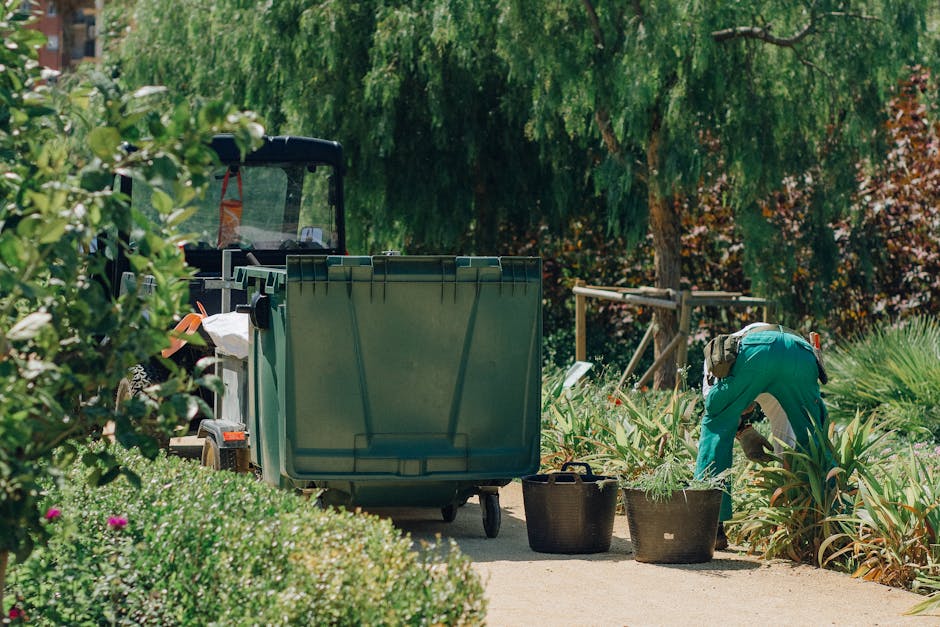
Conclusion
Westminster Council garden waste rules for Bayswater gardeners are really about keeping your gardening practical, clean, and neighbour-friendly. Once you understand the rhythm of sorting, storing, and presenting waste properly, the whole process becomes much easier. You spend less time firefighting and more time actually enjoying the garden.
In a compact London area like Bayswater, that matters. A well-kept system saves space, reduces mess, supports better recycling or composting choices, and makes even bigger jobs feel manageable. And honestly, that calm, tidy feeling when the waste is gone? It is hard to beat.
Take it one job at a time, keep your waste streams clean, and you will be ahead of the game.

With expertise in gardening, Scott stands out for his ability to aid countless customers in meeting their horticultural goals. His skillset extends to the realm of writing, where he covers a diverse range of topics related to gardening and landscape architecture.